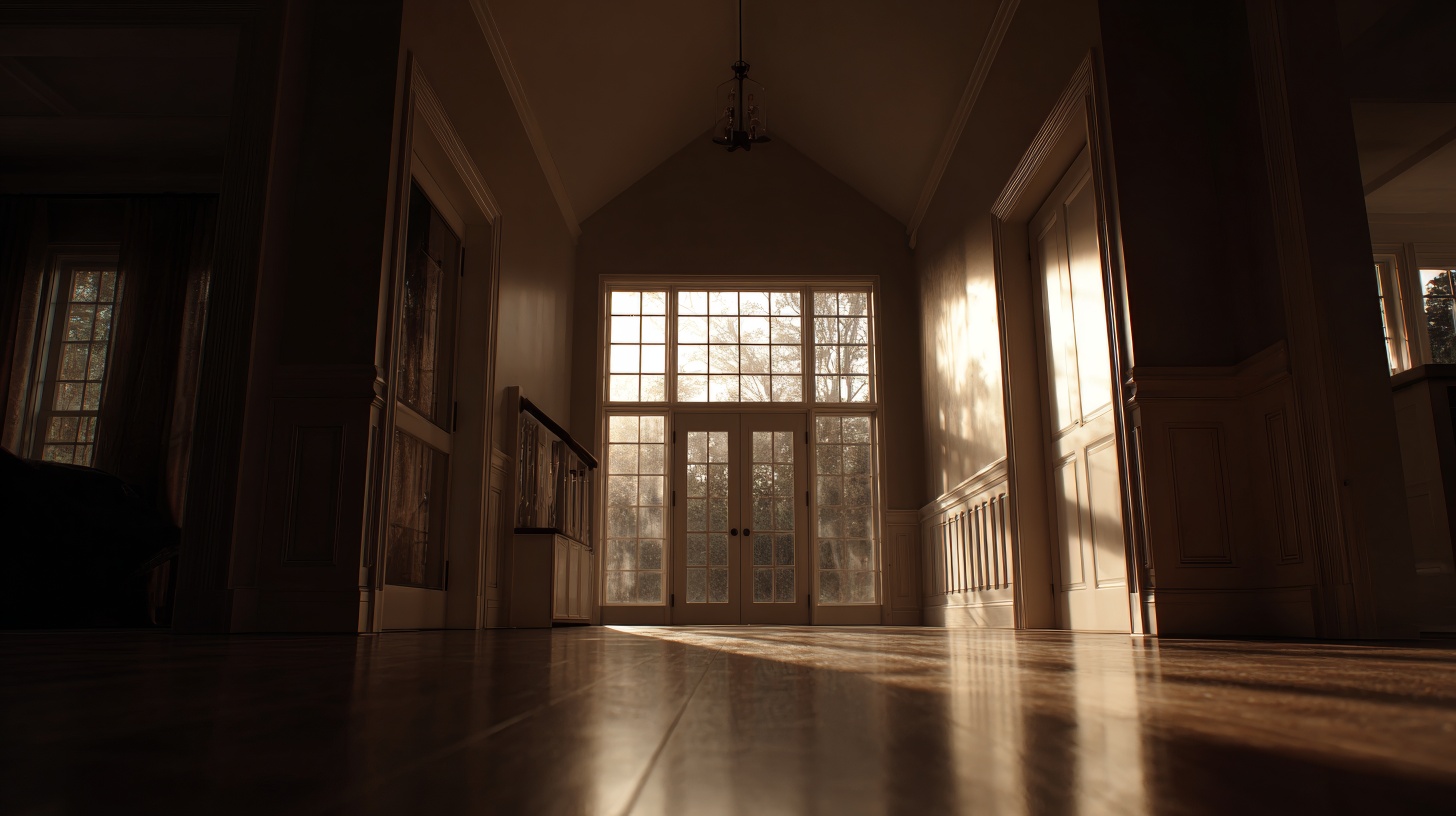


Overview
Virtual staging should help buyers understand a home - not misunderstand it. At ListLift, we create marketing visuals from real listing photos, then add optional staging and enhancements to make a property feel clear, calm, and premium. But we draw a hard line: we elevate presentation - we do not change reality.
This guide explains how we keep it real, and how agents can use staging confidently without creating buyer confusion.
The ListLift Reality Standard
When we produce virtually staged images or photo-to-video tours, we follow three rules:
- Fixed features stay truthful
We do not change the bones of the property. No misleading changes to room size, layout, ceiling height, windows, permanent fixtures, or the view outside.
- Staging is illustrative, not deceptive
Furniture and decor are used to show scale and function, not to imply those items are included with the home.
- Staged visuals are clearly disclosed
If a visual is staged or digitally enhanced, it is communicated in a simple, professional way so buyers know what they are seeing.
What ListLift can do (and still keep it real)
These improvements help buyers connect while keeping expectations accurate:
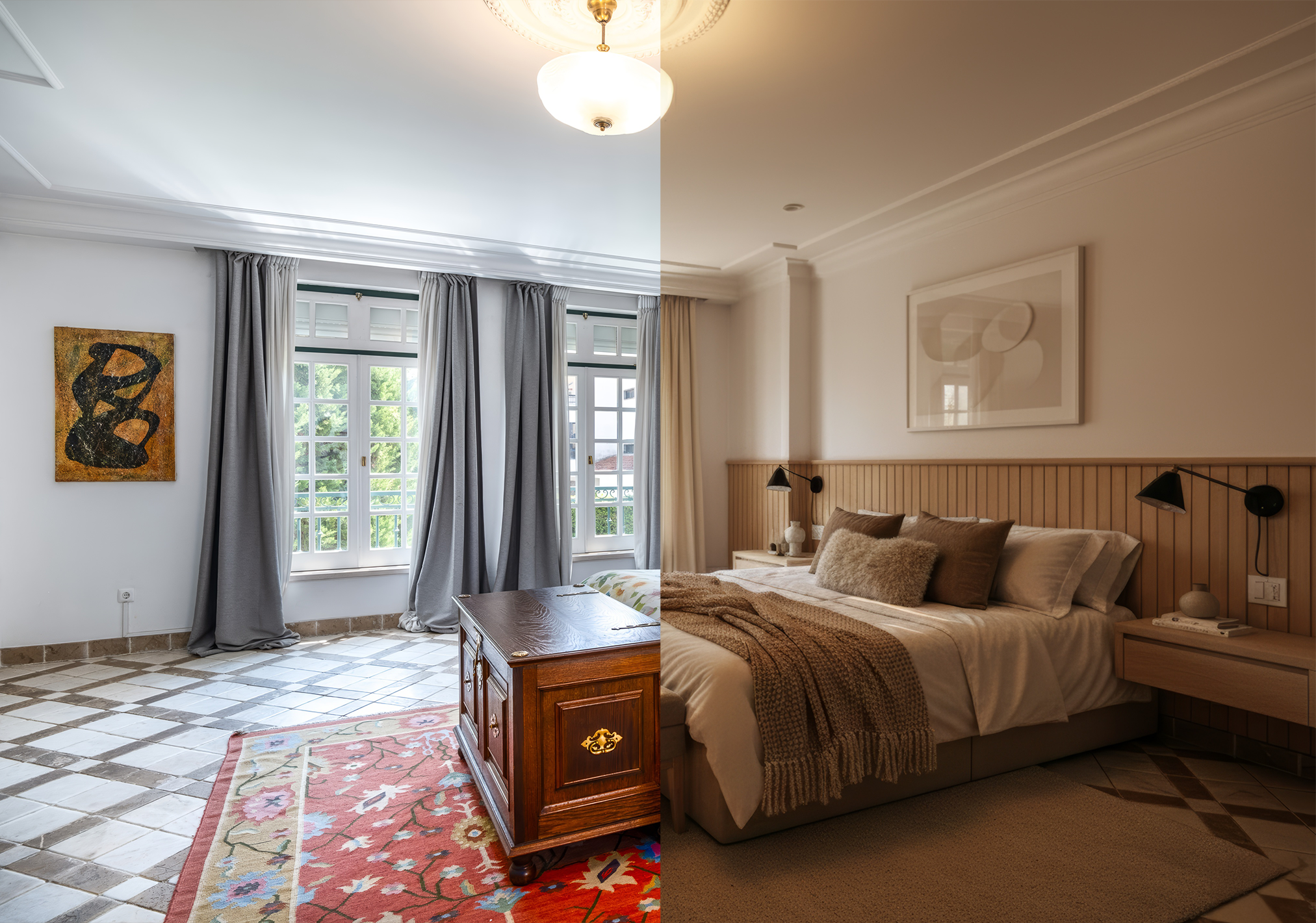
- Virtual furniture and decor to show layout and lifestyle
- Light and clarity improvements (cleaner, brighter, more consistent images)
- Minor visual cleanup (small distractions that do not change the property's facts)
- Style harmonization across the gallery and video
Think: presentation polish, not property rewrite.
What we will not do (because trust matters more than clicks)
To avoid misleading buyers, ListLift will not:
- Change the view (remove buildings, add ocean, hide roads)
- Remove visible damage or defects that materially affect buyer expectations
- Add features that do not exist (pool, fireplace, skylight, extra windows)
- Alter room geometry (stretch spaces, change proportions, or rewrite layout)
- Present a renovation as current reality when it is only a concept
If a buyer could reasonably say, 'I booked this viewing based on something that is not true,' it crosses the line.
The easiest way to stay transparent: one calm disclosure
You do not need scary warnings. You just need clarity.
Where to disclose (recommended)
- Listing description
- Video description
- On staged images (small label or caption)
Copy-paste disclosure templates (ListLift tone)
Short and clean (best for most listings)
Some visuals are virtually staged and/or digitally enhanced from the original listing photos to illustrate layout and lifestyle.
If the property is unfurnished
Virtually staged visuals are provided for illustration. Property is offered unfurnished unless stated otherwise.
For photo-to-video tours
Video tour created from listing photos with optional virtual staging and digital enhancements for presentation.
If you show concept finishes (only when relevant)
Concept visuals shown for inspiration. Finishes and furnishings are illustrative and may not reflect current condition.
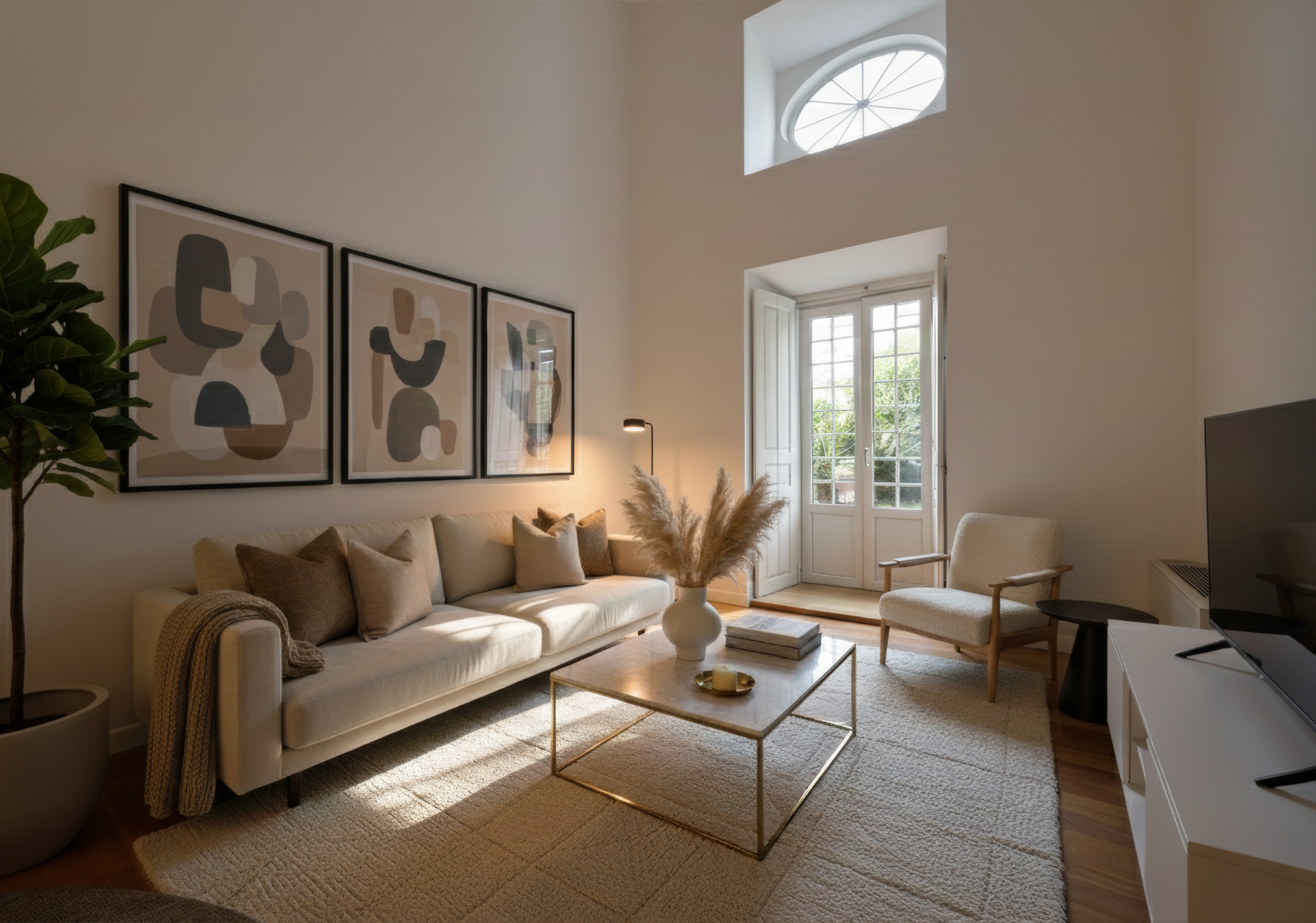
The trust tactic that works every time: staged plus real pair
For key rooms (living, kitchen, primary bedroom), the most credible approach is:
- 1 staged hero visual (shows potential)
- 1 original photo angle (shows reality)
Buyers still get inspired, but they also feel respected.
Agent checklist before publishing staged visuals
- Did we keep architecture and view accurate?
- Did we avoid hiding meaningful defects?
- Is staging disclosed calmly and professionally?
- Does the staging style match the home's price point and vibe?
- Would a buyer feel tricked at the viewing? If yes, do not publish.
Why this matters in 2026
Buyers are smarter than ever. They do not hate staging - they hate feeling misled. Keeping it real protects your reputation, reduces wasted viewings, and improves conversion by setting expectations correctly.