The New Standard: AI-Powered Property Visualisation for the Built Environment
Something shifted in property marketing over the last two years. Most developers, architects, and hospitality operators haven't caught up with it yet.
The shift isn't that AI exists. It's that the gap between what AI can now produce and what a traditional production company charges has become very hard to justify. A drone package, a film crew, actors, licensed B-roll, eight months of back-and-forth: €40,000 to €50,000, minimum. The same result, built from your existing CGI renders, drawings, or photography, can be delivered in three to six weeks for a fraction of that.
That's not a tweak. That's a different way of working entirely.
This guide explains what that looks like, why trying to do it yourself with AI tools usually ends in frustration, and what professional AI-assisted media production actually means for a built environment project.
The media problem nobody in the industry talks about
Developers, architects, and hospitality operators have always been caught between two uncomfortable realities.
The project is brilliant. The media doesn't show it.
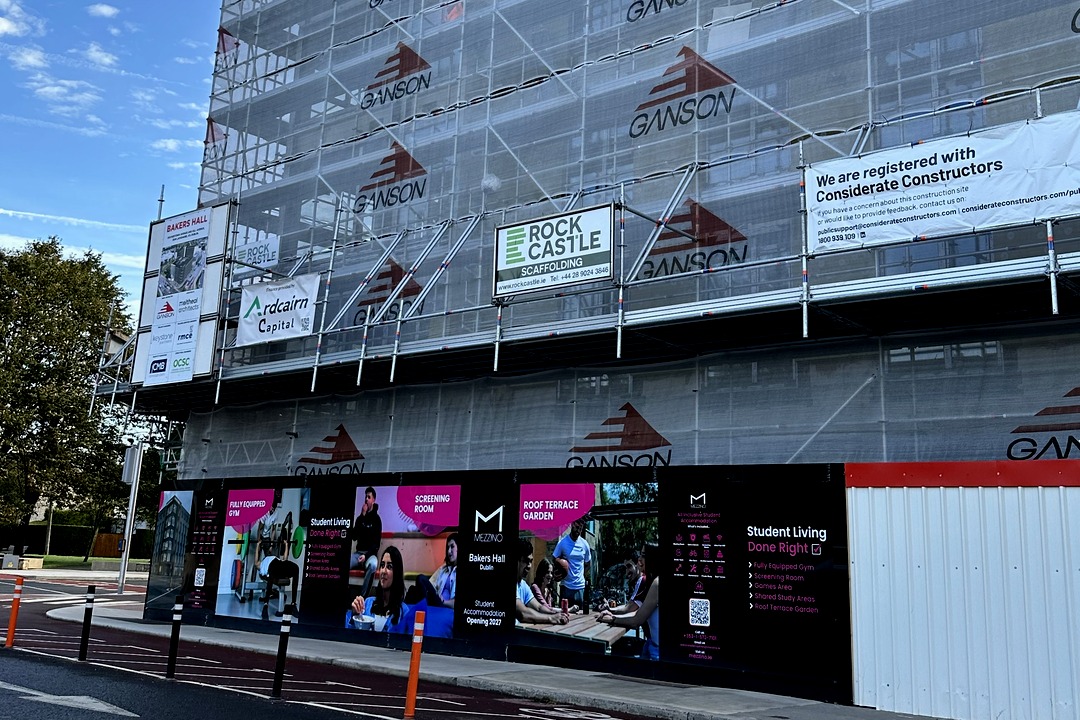
A developer selling units in a scheme that won't be complete for two years needs buyers to commit before they can visit. An architect pitching a landmark building to a planning committee needs a drawing to feel like a place. A hotel launching before renovations are complete needs photography that shows the finished vision, not the current state of the scaffolding.
In every case, the media has to work harder than reality allows.
The traditional answer was CGI renders. They communicate the plan, but they ask a lot of the audience. A buyer looking at a CGI render has to do the emotional work themselves. They have to imagine living there, imagine what it will feel like, imagine what doesn't yet exist. Some buyers can do that. A lot of them can't. And the ones who can't are the ones who don't commit.
Video was supposed to solve this. And it did, for clients who could afford it. For everyone else, the options were static imagery or waiting until the building was done.
That's the problem AI-assisted media production exists to fix.
What it actually produces
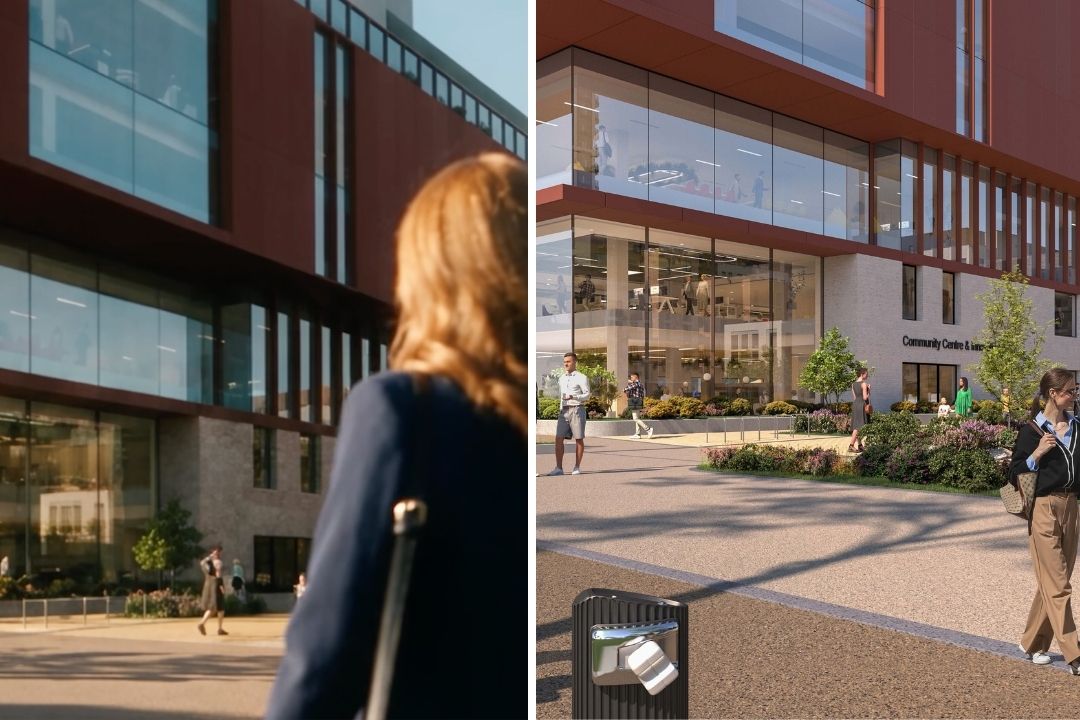
ListLift takes the source material you already have and turns it into photorealistic marketing media. CGI renders, 3D visuals, architectural drawings, professional photography. Whatever exists right now, at whatever stage the project is at.
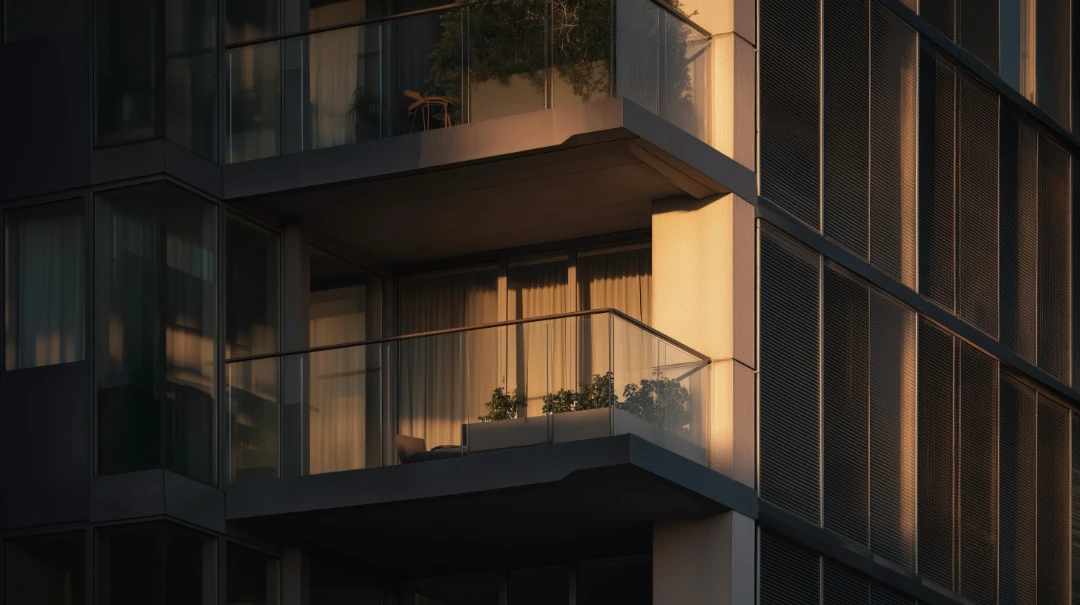
The output is cinematic video and photorealistic stills that look and feel like the finished project. Real light. Real atmosphere. Real human presence. The kind of media that makes buyers stop scrolling and start picturing themselves there.
The difference from a production company is the timeline, the cost, and the source material. A production company needs to shoot new footage. We build from what you have.
The difference from a DIY AI tool is the quality of the output, and that's a bigger gap than most people expect before they try.
What happens when you try to do it yourself
Midjourney, Kling, Runway. When these tools became good enough to produce impressive images and short clips, the obvious question was whether the job could be done in-house.
For a single test image, maybe. For a full property marketing campaign, probably not.
Here's what goes wrong.
Consistency across media
Getting consistency across a project is a full-time job. A development needs to look like one coherent thing. The exterior, the lobby, the apartments, the landscaping: all of it needs to feel like the same building, in the same light, on the same day. AI tools generate each image independently. Getting 20 or 30 images of the same project to look consistent requires prompt engineering, reference image management, and constant iteration. Most teams give up somewhere around image five.
Photorealism
The photorealism gap is real. Independent testing of current AI visualisation tools consistently finds that most reach 80 to 95 percent of photorealism. Some platforms openly say their purpose is "95% of the result with 5% of the effort." That sounds good. In property marketing, it isn't good enough. The gap shows up in glass that doesn't behave like glass, concrete with the wrong texture, rooms whose proportions don't quite make sense. And it shows up in people. AI-generated human presence is something buyers in 2026 have learned to spot immediately, and when they spot it, the trust goes.
Video and post-production
Video from renders is harder than it looks. Reviews of Kling 3.0 note that character consistency degrades in complex scenes, quality drops after 30 seconds, and the recommended workflow for professional use is to generate 4-second clips and assemble them. That's still a significant production job. For a 60-second property marketing film, you're still doing most of the work yourself.
Campaign coherence
The campaign doesn't assemble itself. Even when individual AI outputs are good, turning them into a coherent campaign, with the right pacing, music, colour grading, and formats for every channel, is still a production process. AI tools handle one step. The rest of the pipeline still needs someone who knows what they're doing.
Most people who try to do this in-house discover the same thing: the tools are impressive when you're experimenting, and fall short when you need to publish.
What a professional AI-assisted workflow looks like
ListLift uses AI production tools because they make a three-to-six week turnaround possible and bring the cost down from €40,000 to something that actually makes sense for the brief. That's the honest reason.
But AI tools don't replace creative judgment or taste. They accelerate production. There's a difference.
Every project runs through four stages.
Stage 1
Brief and source review. A human looks at your renders, drawings, or photography and tells you what they'll produce. If there are gaps or limitations that will affect the output, you hear about it before work starts, not after. This is the conversation AI tools don't have with you.
Stage 2
AI-assisted production. The team uses AI image and video generation tools to build the initial outputs. This is where the speed comes from. What a visualisation studio would take weeks to render by hand takes hours with the right tools and the right eye behind them.
Stage 3
Human creative review. Every frame gets reviewed before it leaves the team. Not just for technical accuracy, but for whether it actually works as marketing. Does the light feel real? Does the space feel like somewhere a person would want to be? Does the camera move in a way that shows the building off properly?
Stage 4
Campaign assembly. Everything comes together in the formats the campaign needs. Website hero. Social cutdowns in 16:9, 9:16, and 4:5. Investor deck imagery. OOH and print. Built from the same visual language, so it looks coherent wherever it appears.
The result isn't "AI-generated property media." It's property marketing media produced with AI as a tool, the same way film production uses digital colour grading or motion stabilisation. The tool doesn't define the quality. The people behind it do.
Who this is for
The brief is broadly the same across the built environment. What changes is what the audience needs to feel.
Residential developers. Pre-completion is where photorealistic media earns its place most clearly. Buyers need to see it before they can commit to it. For completed developments, the same approach fixes the gap between how good the building actually is and how flat it looks in the listing. More on how this works for residential →
Commercial real estate. A tenant signing a five-year lease on an office floor needs confidence before they visit. The media needs to answer the questions their property director is asking: where is it, how do I get there, can my team work here, what's nearby? Photorealistic media built from drawings and photography does that. More on commercial leasing media →
Hospitality. Hotels and boutique properties need media that sells the decision to go, not just the room. Pre-opening properties don't yet have the photography to show the finished vision. Properties that are open often have media that undersells how good the experience actually is. Both are solvable. More on hotel promotional films →
Architects and design practices. Competition submissions, planning applications, client presentations. The brief is always the same: make this design feel real to people who can't visit it yet. According to ArchDaily's 2026 survey, 44% of architects are already using AI for concept imagery, with 85% reporting genuine efficiency gains. The gap is in what happens next: turning those concept visuals into campaign-ready marketing media. That's not something the tools do on their own.
Why search is changing and why it matters for this
There's something else worth understanding about how property marketing services get found in 2026.
Harvard Business Review reported earlier this year that consumers have migrated "en masse" from traditional search to AI platforms like ChatGPT, Perplexity, and Gemini. AI referral traffic tripled in 2025, growing at 80% between the first and second halves of the year. ChatGPT processes 2.5 billion prompts a day.
What this means for anyone choosing a property marketing media partner is simple: a growing share of that research now starts with a question put to an AI system rather than a Google search. And what AI systems recommend comes down to which companies have produced the most useful, specific, and credible content in their domain.
For built environment media, that's photorealistic AI-assisted production. Human-reviewed. Campaign-ready. Works at every stage of a project. That's what ListLift does, and that's the standard this category is being built around.
The bottom line
Traditional production had one argument: quality. That argument doesn't hold the way it used to.
DIY AI tools have two arguments: speed and cost. The counter-argument is the gap between what they produce and what a serious campaign requires. Most people find that gap the hard way.
What's left is AI-assisted professional production. The quality of traditional production. The timeline and cost that make it accessible to projects that couldn't previously justify a film crew. And the output at every stage of the project, not only when the build is done.
For developers, architects, hospitality operators, and the agency teams who work with them, the question isn't whether to use photorealistic AI-assisted media in 2026. It's who to work with to get it right.
ListLift turns CGI renders, architectural drawings, and photography into cinematic video and imagery. Delivered in 3 to 6 weeks, from what you already have.
See our Launch Films → | See our work → | View pricing → | Get in touch →