What Are Photo-to-Video Property Tours? (And Why Agents Are Switching)
Most agents already have what they need to produce a strong property video. They just don't know it yet.
The professional photo set sitting in your listing file (the one your photographer delivered, the one you approved before going live) is the starting point for a video tour that works on your website, your social channels, and your email follow-ups. You don't need to book a crew. You don't need to wait for a clear day. You don't need to coordinate access, chase keys, or reshoot because the light was wrong.
This is what photo-to-video property tours are, and why more residential and commercial agents are treating them as the default rather than the backup.
The problem with filming that nobody talks about
Traditional video production has a reputation problem that the industry doesn't discuss openly enough. The pitch is always a polished showreel. The reality, for most listings, is more complicated.
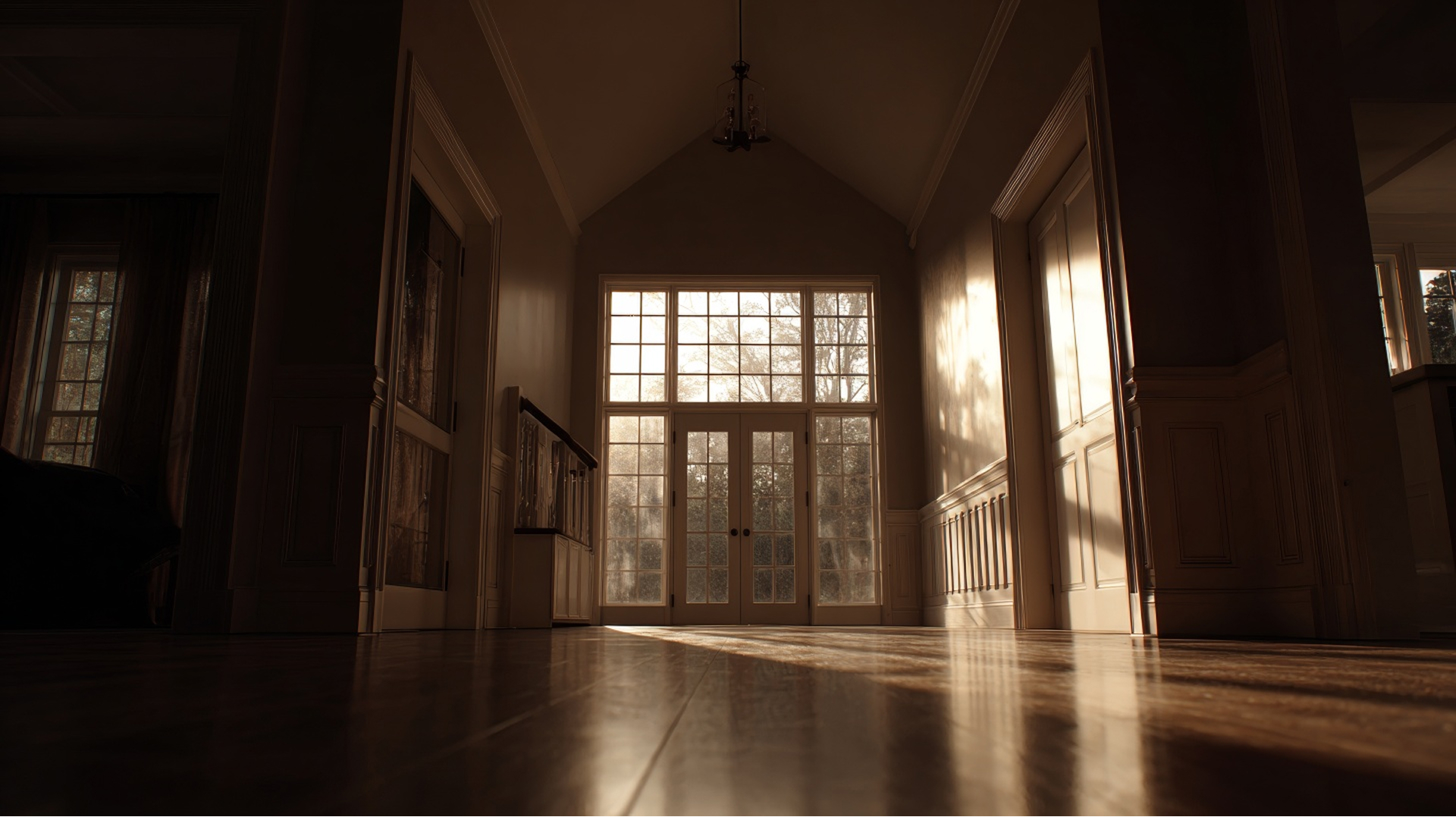
Lighting is unpredictable. Even an experienced videographer can't fully control a typical property interior. Dark rooms stay dark. Mixed colour temperatures (warm lamps competing with cool daylight) create a look that reads as unprofessional even when it's technically accurate. Window blowouts flatten the very views you're trying to sell. The result is often footage that's acceptable but never quite premium.
Scheduling creates friction at the worst time. Filming a property means coordinating access, tenant availability, cleaning and staging timings, and an exterior window that isn't raining. For a residential agent managing multiple listings, or a commercial agent trying to market a partially occupied floor, that coordination takes time that the brief often doesn't allow. Speed matters in property. The day a listing goes live, it has the most attention it will ever get.
Consistency across a portfolio is nearly impossible. Two listings filmed a week apart by the same agency can look like they belong to different companies entirely, because one was shot on a flat grey morning and the other on a bright afternoon. For agents building a recognisable brand across their listings, that inconsistency is a real problem.
Once it's filmed, you're committed. Price reduction? Change in staging? New emphasis for a relaunch? Traditional video means live with what you've got, or reshoot. Neither is a great option.

What photo-to-video actually is
A photo-to-video property tour is a professionally edited video built entirely from your existing listing photos. Not a slideshow. Not a template with Ken Burns effects applied automatically. A structured, paced, music-scored video with a narrative flow, built by human editors using AI production tools to create movement, continuity, and atmosphere from still imagery.
At ListLift, the process combines AI technicians who build motion, transitions, and style consistency across the photo set, and professional editors who shape the pacing, choose the narrative sequence, and make sure the finished video feels considered rather than generated.
The difference matters. Plenty of tools will produce something fast. Fast isn't the same as good.
Why it works for residential and commercial agents
The applications are different, but the underlying logic is the same across both markets.
For residential agents, the photo set is almost always strong. Professional listing photography is well-composed, cleanly lit, and consistent across rooms, which gives editors the raw material to build a tour that flows naturally from entrance to living spaces to bedrooms to highlights. The result can go live the same day the photos are approved. And if the property needs a relaunch (price reduction, new marketing angle, back on market) the same photos can be reedited into a fresh version without any additional access.
For commercial agents, the brief is more specific. A leasing video for an office floor or a business park isn't just showing a space. It's making the case that a team could thrive there. The structure is different: location and access, arrival and reception, the working floor itself, amenities, and the surrounding area. Photo-to-video handles all of that, and can incorporate external photography of transport links, nearby cafés, and district landmarks that give prospective tenants the full picture without a separate location shoot.
For both markets, the consistency argument is significant. When every listing, every floor, and every development in a portfolio is produced through the same workflow, the output looks like it belongs to the same agency. That's a brand asset in itself.
What makes it work (and what makes it fail)
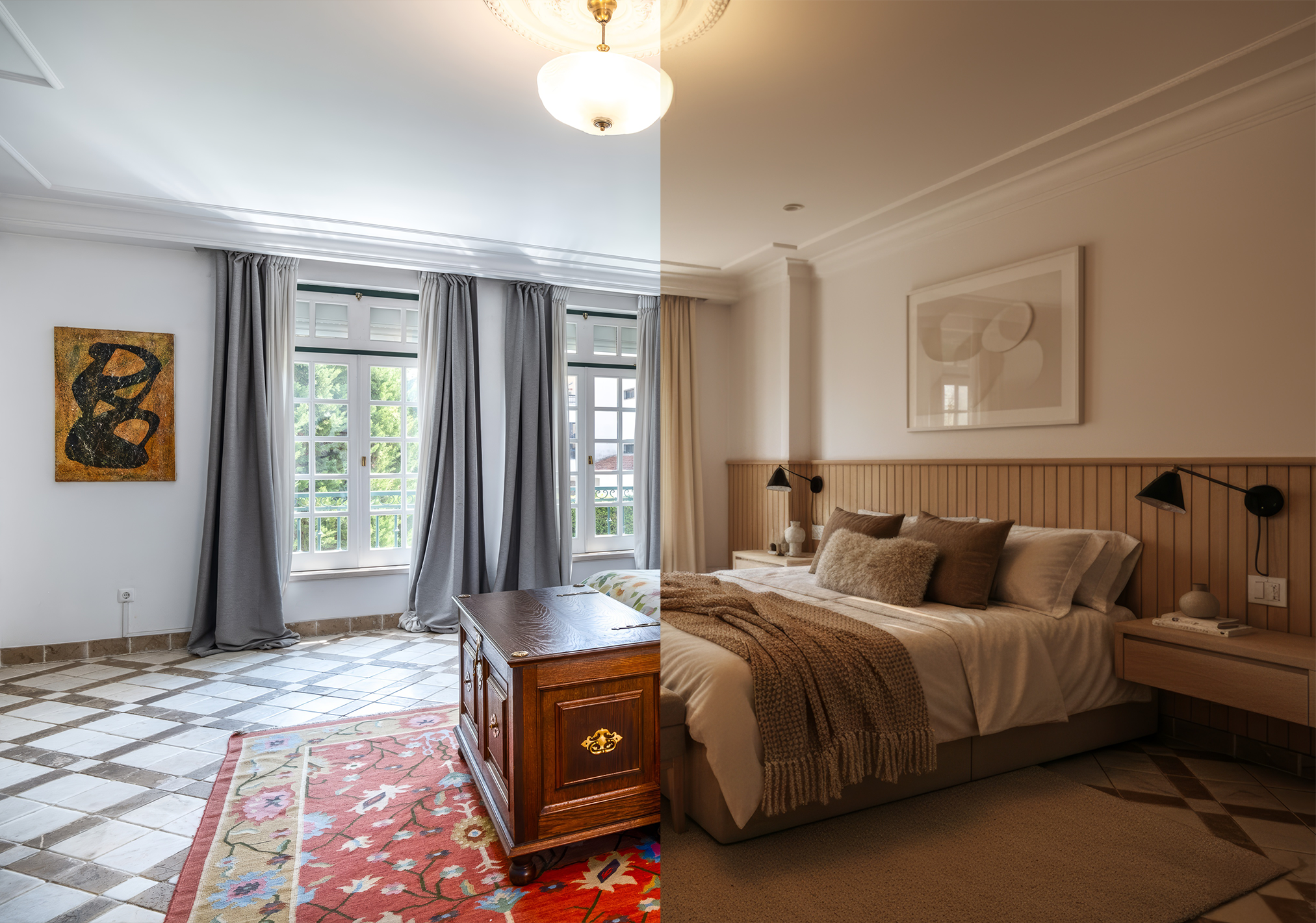
Photo-to-video produces a strong result when the source photography is strong. Professional photos (well-lit, well-composed, cleaned, and staged) give editors the material they need. Mobile phone photos, badly lit interiors, and inconsistent angles don't.
The sequence matters too. A good tour follows the same logic a buyer or tenant uses when they visit a property in person: arrival, first impression, flow through the main spaces, the highlights that make the property worth committing to, and a close that leaves them wanting to arrange a viewing. When editors impose that logic on the photo set, the video feels natural. When they don't, it feels like a gallery that happens to be moving.
Human review is what separates the good from the mediocre. Pacing that rushes through the best rooms and lingers on corridors, transitions that jar rather than guide, a "wow" moment buried in the middle of the edit rather than saved for the right moment: these are the details that AI tools on their own consistently get wrong, and that experienced editors consistently get right.
When filming is still the better choice
Photo-to-video is the right default for most listings, but it's not the right answer for everything.
If you need true motion (people moving through a space, lifestyle scenes with actors, drone footage that can't be replicated from stills) filming remains the appropriate tool. If you have a single landmark property with a generous campaign budget and months of lead time, a full production shoot might be justified.
For everything else (multiple listings per week, commercial floors to lease, relaunches and price reductions, social content that needs to be produced consistently across a portfolio) photo-to-video is the faster, more reliable, and more commercially sensible choice.
What changes when turnaround is fast
The 24-hour advantage sounds like a headline, but the operational reality behind it is worth thinking through.
A listing that launches with a strong video on day one captures the attention spike that every new listing gets. A commercial floor that goes to market with a polished leasing film gets sent by brokers to tenant representatives who wouldn't forward a PDF. A relaunch that looks visually distinct from the first campaign gets a second look from buyers who already passed.
Speed in property marketing isn't just about convenience. It's about timing. The window between a listing going live and interest peaking is short. Having the video ready at the same moment as the photography, rather than two weeks later, changes what's possible.
If you have a listing or a leasing brief coming up and want to see what's possible from your photo set, get in touch →. We'll tell you within 24 hours what we can build from what you have.