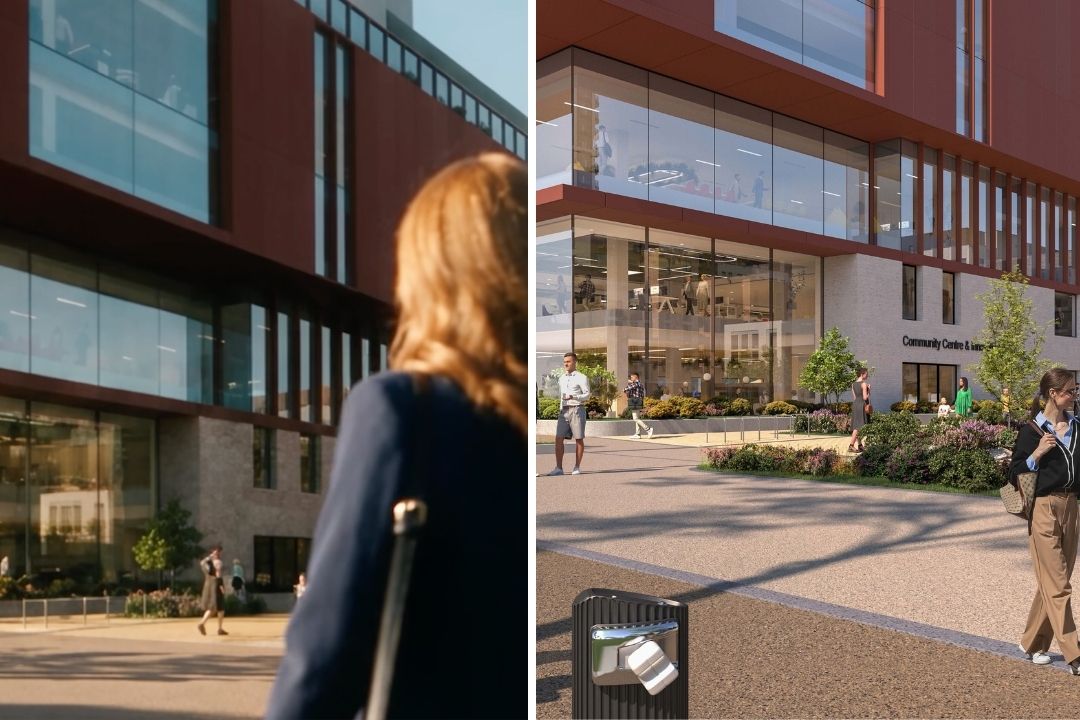
Venue Photo-to-Video Tours: How to Create Promotional Films Without Filming (2026)

Venues don't sell square metres or room capacity. They sell a feeling.
A wedding venue sells the moment a couple walks in and knows. A conference centre sells the confidence that everything will run smoothly. A sports venue sells the atmosphere that no hospitality brochure has ever quite captured. The brief, whatever the category, is always the same: make someone feel something before they've set foot inside.
The challenge is that producing fresh video for a venue is expensive, disruptive, and slow. A full production shoot means closing the space, coordinating staff, managing light and weather, and waiting weeks for an edit. For a venue that's booked most weekends and busy most weekdays, that's rarely straightforward.
Which is why more venue marketing teams are building their promotional films a different way.
What your photo archive is actually worth
Most venues have more usable visual material than they realise. Hero exterior shots from different seasons. Ceremony and reception setups at their best. Conference configurations, banquet layouts, the bar on a Saturday night. Details (lighting rigs, floral arrangements, table settings, branded signage) that no brochure has ever used properly.
That archive is the starting point for a promotional film built entirely from photography, without a single additional shoot.
At ListLift, photo-to-video for venues isn't a template with automated transitions. It's a structured edit built by human editors using AI production tools: pacing shaped to match the venue's character, music chosen to match the audience, and a narrative that answers the questions a potential booker actually has. The result is a film that feels like it was produced for the venue. Because it was.

The structure that converts enquiries
Most venue videos fail not because of production quality but because of structure. They show beautiful spaces without ever making a case. A prospective booker watching a venue video is working through a specific set of questions in a specific order. The video needs to answer them in that order.
Here's the framework we use across all venue categories:
Arrive (0–5 seconds)Exterior hero, entrance, immediate atmosphere. The first five seconds answer: is this the kind of place I want my event to be? If the answer isn't yes, nothing that follows will matter.
Experience (5–25 seconds)The emotional core. Atmosphere, lighting, crowd energy where you have it, signature spaces, the details that make this venue distinct. This is the section that makes someone stop scrolling. It's where the feeling is sold.
Configure (25–40 seconds)The practical question: can this venue actually work for my event? Show layouts, capacity cues, setup flexibility, different configurations. Wedding planners want to see ceremony versus reception. Corporate buyers want to see theatre versus boardroom. Show the range.
Trust (40–55 seconds)Proof and professionalism. Service areas, catering setup, AV capability, accessibility, parking, transport. The details that reduce risk in the booker's mind. These often get cut from venue videos to make room for more atmosphere shots. That's a mistake.
Book (55–60 seconds)Return to the hero shot. One clear call to action. Book a tour. Check availability. Request a quote. Don't end on ambiguity.
Once the 60-second master is built, the same structure adapts cleanly to a 15-second social ad, a 30-second version for email campaigns, and the full-length tour for your website and proposals. The work is done once. The formats multiply from it.

What to prioritise by venue type
The structure is consistent. What goes inside it depends on who you're selling to.
Wedding venuesThe emotional sell comes first. Ceremony location with the aisle angle that photographs well. Reception layout options showing scale and flexibility. Exterior at golden hour. Bridal suite and preparation spaces. The details that appear in every wedding photo: florals, lighting, table settings, the view from the top table. Wedding bookings are driven by feeling and by how the space will look in photographs. Both need to be front and centre.
Corporate venuesConfidence is the currency here. Room configurations in theatre, classroom, and boardroom layouts. Staging, screens, and AV capability shown clearly. Breakout areas and networking zones that give the day somewhere to breathe. Catering setup and coffee station placement, because nothing derails a conference like a bad lunch queue. Access: parking, transport links, reception flow. Corporate buyers are managing risk on behalf of their organisation. The video needs to reduce that risk, not just inspire.
Sports venuesScale first. Wide shots of stands, the bowl, pitch or court: the visual that tells a sponsor or hospitality buyer why this matters. VIP boxes and hospitality areas with detail. Concourses showing footfall capacity. Where crowd energy photography exists and rights allow it, use it. Nothing communicates atmosphere faster. Sponsor zones and signage placement shown clearly for commercial buyers.
Cultural venues: theatres, galleries, music hallsStage and seating with sightlines shown honestly. Visual signals of acoustic quality: panels, room geometry, design detail. Lobby and bar areas where the pre-show experience happens. Backstage and green room where relevant for performing arts clients. Lighting design as a feature, not an afterthought. The sell here is prestige and experience in equal measure.
What you need from your photo archive
A strong venue promo film can be built from 30 to 80 photos. The range is wide because venues vary enormously in scale and category: a boutique wedding barn needs fewer images than a multi-room convention centre.
The categories that matter most:
Core venue photography (20–50 photos): Exterior from two to four angles. Entrance and lobby from arrival to reception desk. Main spaces from multiple angles, not just the showcase shot. Key details (lighting, finishes, signage, décor) that make the space distinctive. Service areas: bar, catering access, AV, reception.
Setup variations (6–20 photos): This is where most venue photo sets fall short. Ceremony versus reception. Conference versus banquet. Day versus evening ambience. Different seating configurations. Seasonal looks if you have them. These variations are what make the "Configure" section of the video work. Without them, the film can only show one version of the space.
Surrounding area (optional, 6–15 photos): Nearby landmarks, parking and transport access, hotels and restaurants within walking distance. For destination venues and larger event spaces, this context matters enormously to a booker who is also managing their guests' experience.
One practical note: photo sets with significant gaps (missing a key room, lacking any evening photography, showing only one configuration) limit what the edit can do. We'll tell you within 24 hours what's possible from what you have, and where a few targeted additional photos would make a meaningful difference.
Keeping it honest
Venues operate on reputation. A booker who arrives expecting something different from what the video showed doesn't just leave disappointed. They leave and tell people.
The standard we apply is the same one we use across all our work: we elevate the presentation of what's actually there. We don't add spaces that don't exist, alter room proportions, or show configurations the venue can't deliver. If anything is digitally enhanced for presentation, it stays consistent with what a client will walk into.
For venue marketing, the disclosure is simple:Promotional video created from venue photography with optional digital enhancements for presentation.
It's a single line. It signals professionalism. And it means that everyone watching the video knows exactly what they're looking at.
What changes when you can produce it fast
The venues that market most effectively are the ones with a strong visual presence across every channel where event planners look. Website. Social media. Email proposals. Sales presentations. That requires video in multiple formats and lengths, updated regularly as the venue evolves.
Photo-to-video makes that possible without the disruption and cost of repeated production shoots. New chairs, updated AV, a renovation, a new seasonal setup: refresh the photography and the video can be updated from it. The venue keeps its visual presence current without closing for a shoot day every time something changes.
If you have a venue and a photo set, get in touch → and we'll tell you within 24 hours what we can build.